History registrado
72 °C
Sensor 32 · reading at 9:00 a.m.

INTELLIGENCE FOR THE PHYSICAL WORLD
BiomeTrace brings physical assets
into the digital world.
The site connects fragmented information from sensors, systems, documents and territory, with traceable sources, to support managers’ decisions.
Maintenance changes a piece of equipment. An input compromises a batch. A change in the territory alters a project’s risk.
To respond, someone must find the information, understand the consequences and follow the resolution. When these connections depend on messages and memory, management must rebuild the context every time.
Cases across different industries show why information, responsibilities and decisions must remain connected.
Texas City, USA · 2005
US$30 million
in property damage reported by the CSB
According to the CSB, visually similar piping components made from different materials were installed in reversed positions during maintenance. One then operated under conditions unsuitable for its material and ruptured months later, causing a fire at BP’s refinery.
Link each component to its specification and position, surface constraints in the maintenance order and route verification to the responsible person before release.
Part → material → position → operating condition
Marshall, USA · 2010
More than US$767 million
in cleanup costs as of the report date
The NTSB found that an Enbridge pipeline rupture went without proper identification and response for more than 17 hours. Two additional startups accounted for 81% of the spilled volume. The investigation cited integrity, training and response issues, including previously documented defects.
Present current signals alongside integrity history, apply investigation criteria and route the case to the responsible team, with a deadline and response tracking.
Inspection → history → current signal → procedure
Taiwan · 2019
NT$3.4 billion
in estimated loss recognized in Q1 2019
TSMC reported that a batch of out-of-spec photoresist affected wafers and required production to be scrapped. The impact appeared in wafer yields. The loss was recorded in cost of revenue; NT$ denotes New Taiwan dollars.
Trace which batches and deliveries depend on an input, consolidate quality results and support the team in prioritizing inspections, containment and rescheduling.
Supplier → input → batch → customer delivery
Fundão, Brazil · 2015 / 2024 settlement
R$170 billion
in commitments under the 2024 reparation settlement
The 2024 settlement related to the 2015 Fundão dam failure combines amounts already spent with future reparation obligations. After the event, BHP announced centralized dam management and risk reviews.
A sensor changes behavior. To interpret the signal, the team must review recent rainfall, inspections and the dam’s history. BiomeTrace could assemble this context, route the assessment to the responsible person and track the response, deadline and decision record.
Sensor → history and inspections → assessment → response
California program · 2022 study
5.7–6.8 million
carbon credits in estimated wildfire reversals
The study estimated losses equivalent to 95%–114% of the buffer pool allocated to cover a century of wildfire risk, in less than a decade. The measure concerns carbon, not financial loss. It covers forest carbon projects, not every form of regeneration.
Connect plots, environmental conditions, interventions and commitments. Support periodic risk reviews and route inspections with evidence of how each area is evolving.
Area → vegetation → risk → management → commitment
Facts and figures are attributed to the sources shown. The support described for BiomeTrace is hypothetical and depends on validated sources, rules and integrations. It does not imply involvement in these cases or prove the technology would have prevented them. Assessments and approvals remain with the responsible technical professionals.
Less time rebuilding context.
More capacity to decide and follow through.
Building context means organizing information about what exists in an operation and how each element relates to the others.
A pump feeds a circuit.
A sensor monitors that pump’s condition.
Five interconnected elements describe the operation and give data meaning.
The site organizes information and relationships to support managers’ analysis. The BiomeTrace engine explores a hypothesis: reducing the effort to build and update this context. That benefit still needs validation. Recommendations require human review, without autonomous decisions.
Sensor 32 = 87 °C
One reading. Several relevant relationships.This interconnected view makes it possible to interpret the reading in the context of the operation.
Industrial control remains in the systems that already perform it.
BiomeTrace adds context across them.
Measurements, machine operation and alarms.
IoT · CLP / PLC · SCADA / HMIInterventions, production, resources and business records.
CMMS · ERP · BANCOS DE DADOSReports, field observations and geographic information.
DOCUMENTOS · GISSensors / IoT record physical conditions. PLC executes control logic. SCADA / HMI provides supervision of variables, alarms and commands.
CMMS organizes maintenance. ERP brings together management records. GIS organizes geographic information. Documents, databases and system interfaces (APIs) complete the context.
Sources, connectors and permissions are defined for each deployment. This view describes integration possibilities, not a catalog of connectors already available.
Recorded history makes it possible to compare the current state with the previous one and understand what changed.
Sensor 32 · reading at 9:00 a.m.
Sensor 32 · reading at 10:00 a.m.
The recorded temperature rose 15 °C in one hour.
Illustrative example. The change is a recorded fact; its cause requires investigation.Different operations. The same need to understand how the parts connect.
Instrumentation, inspections and territory in the same assessment.
Connect measurements, rainfall and inspection records.
Conceptual example. Interpretation and routing depend on technical validation, permissions and real-world conditions.
Conceptual examples · simulated geometries and data. Applications extend beyond these industries; every case requires its own sources, rules and validation.
With structured context, artificial intelligence and machine learning can identify patterns, support analysis and recommend next steps.
Bring together the relevant sources.
Give data structure and meaning.
Preserve past events and states.
Investigate patterns and hypotheses.
Route action with rules and accountable owners.
Add the outcome to memory.
A correlation guides an investigation; it does not prove causation. Estimates of future events depend on sufficient history, validated models and uncertainty assessment. Adding outcomes to history does not mean models are automatically retrained.
The team assesses the context. Rules and permissions define how the decision moves forward, and the record preserves what happened.
Investigate, monitor, inspect, review a process, request maintenance or decide not to act. There is no mandatory response to every anomaly. The decision, owner, deadline and outcome should remain linked to the evidence that supports them.
More context helps identify and reduce uncertainty. When technically grounded, uncertainty can also be quantified.
Identified sources, dates and transformations.
Explicit gaps, hypotheses and confidence levels.
Recorded permissions, decisions and accountable owners.
Initial scope by asset and use case. The Tessera semantic core is under development.
Work with partners to define and validate sources, connectors, rules, actions and success criteria for each application.
Full transformation traceability, validated forecasts, copilots and richer digital representations are part of the product vision.
A team connecting business, science and software to understand complex operations.
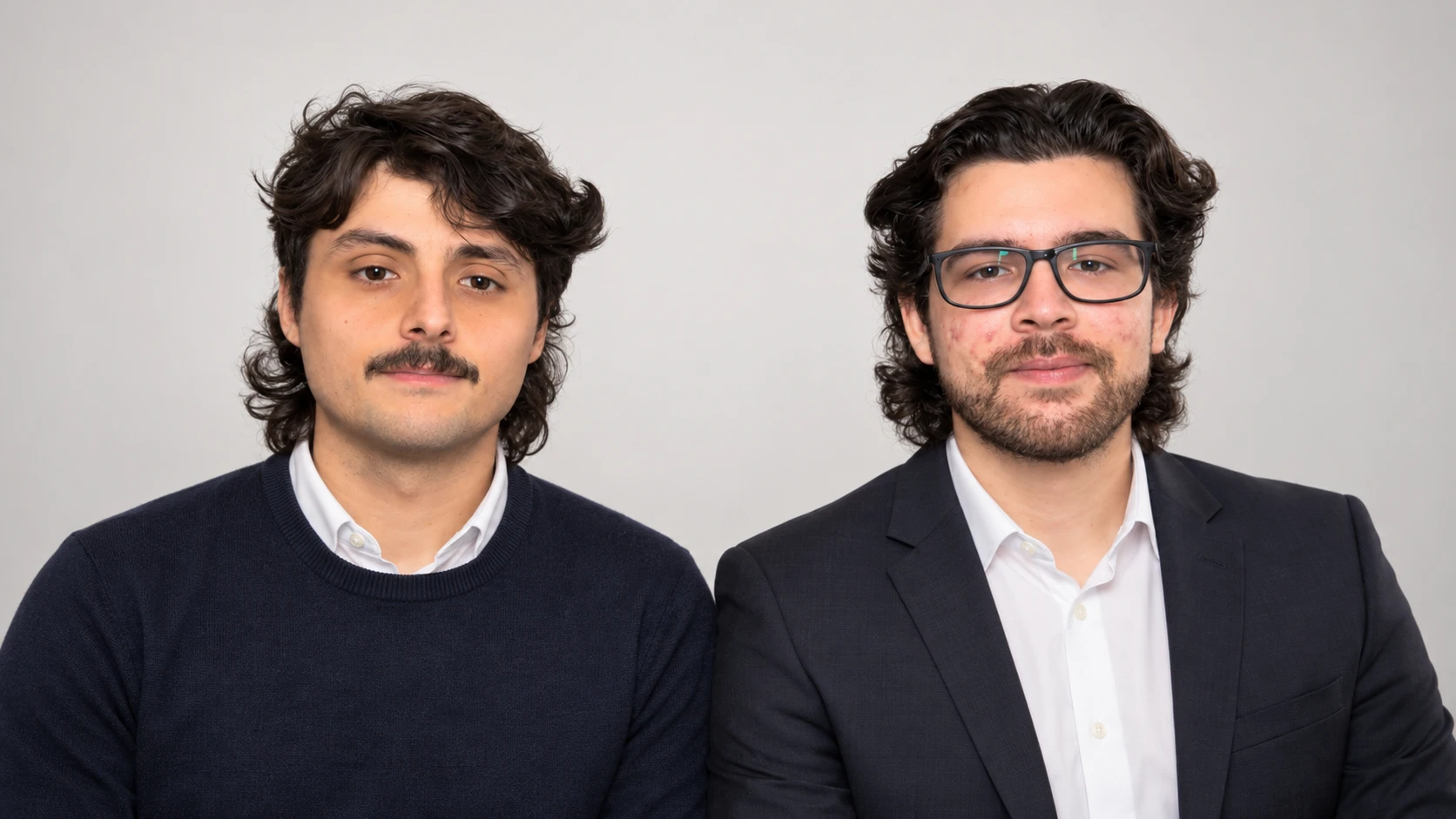
Product leader and entrepreneur. Master’s candidate in Business Administration at UFRGS, focused on innovation, technology and sustainability. Connects operational needs, data and strategy to shape digital products and business models.
Software engineer and data scientist. Master’s candidate in Analytical Chemistry at UFRGS, combining computer science and chemistry with experience in SaaS platforms, integrations, automation and machine learning.
From understanding the challenge to working alongside the customer.
With experience managing sales teams, connects customer needs with BiomeTrace’s offering. Focuses on business development and commercial relationships grounded in the challenges of each operation.
LinkedIn ↗
Represents BiomeTrace in São Paulo, developing new business opportunities and partnerships. Takes part in meetings and events, introducing the company’s offering and building connections with prospective customers and partners.
LinkedIn ↗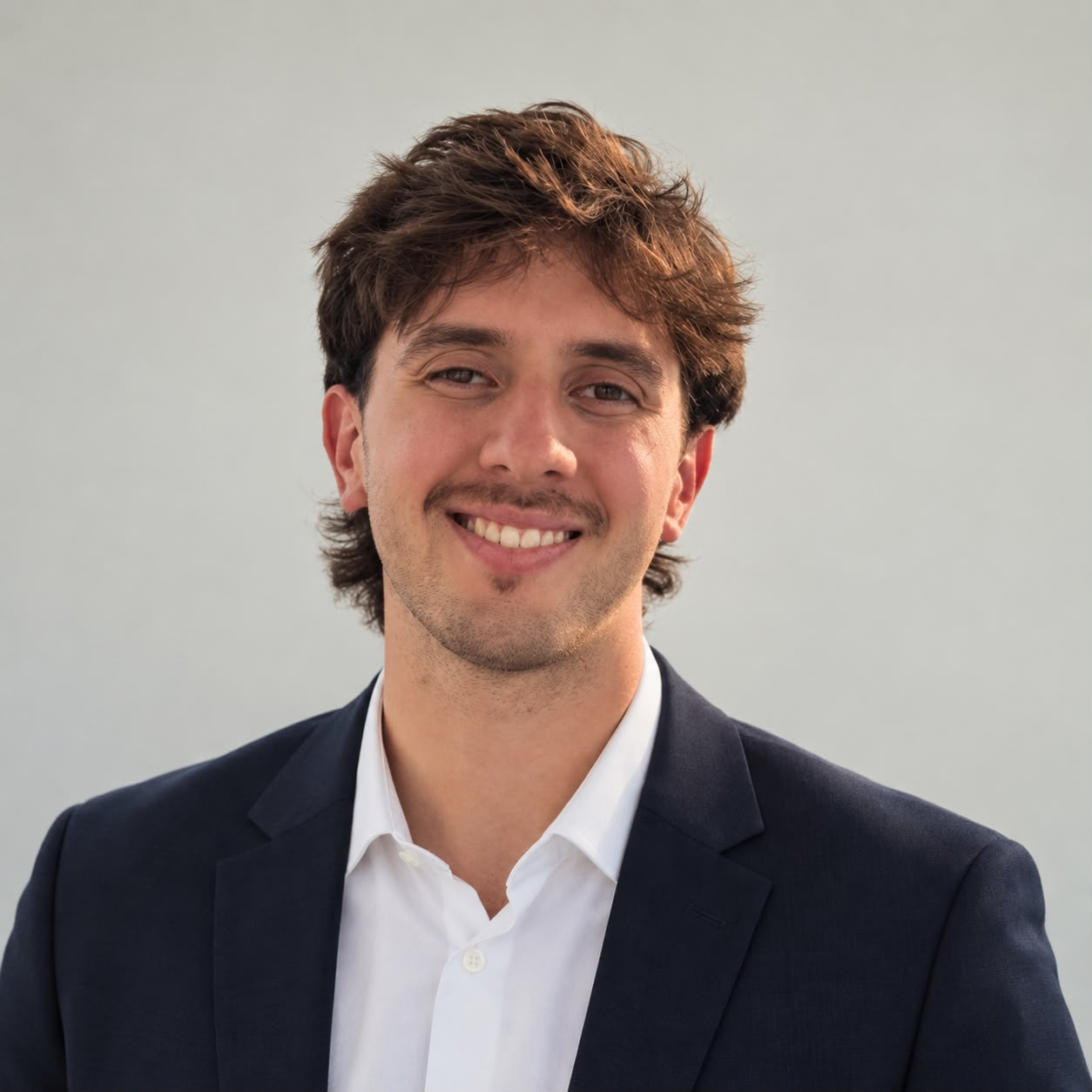
Production engineer and master’s student in Computer Science at UFRGS. Works at the intersection of industry, business and data, connecting operational challenges with the application of technology solutions alongside customers.
LinkedIn ↗Experience in strategy, growth and governance.

Founder and CEO of Bee2Be. Background in business development, marketing and leadership in Brazil and Latin America. Contributes strategic, growth and socio-environmental impact perspective.
LinkedIn ↗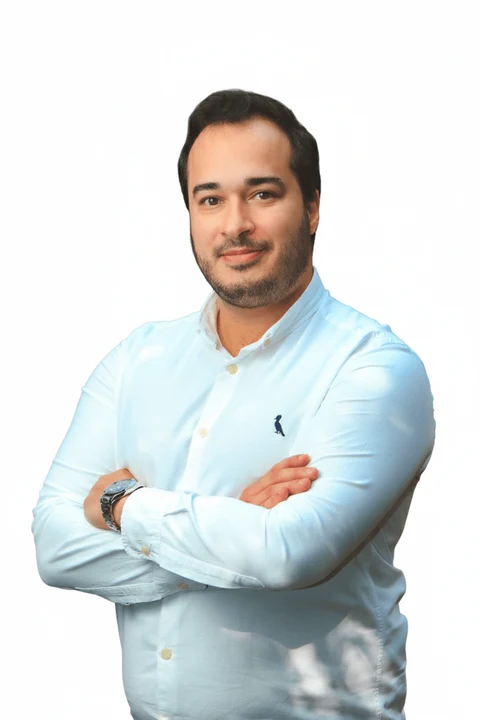
Co-founder of Bee2Be, where he leads corporate affairs, ESG and business development. A lawyer with experience in corporate law, compliance and governance, including serving as Senior Counsel at Mondelez International.
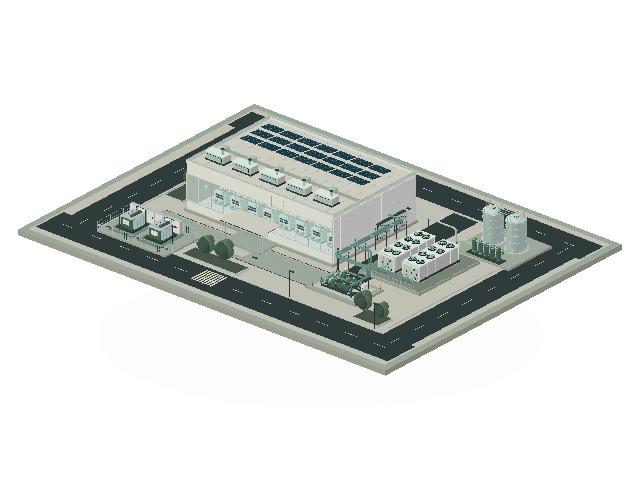
LinkedIn ↗Explore a 3D microelectronics campus, investigate a signal and follow the decision through to its outcome.
Enter the self-guided demo ↗Register and request a conversation to access it.